Cerberus on White
First Impressions: Bold, Mythic, and Ready for Stitching
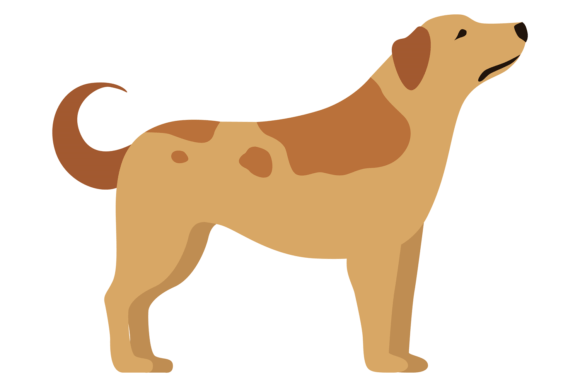
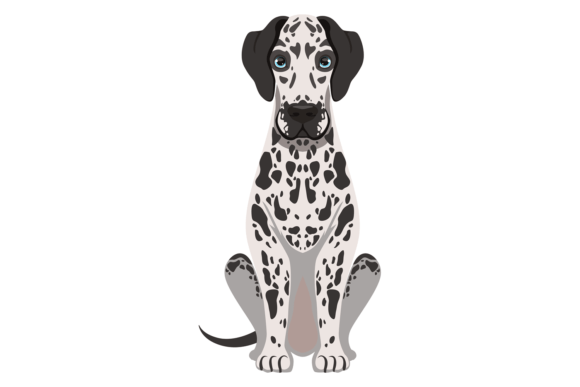
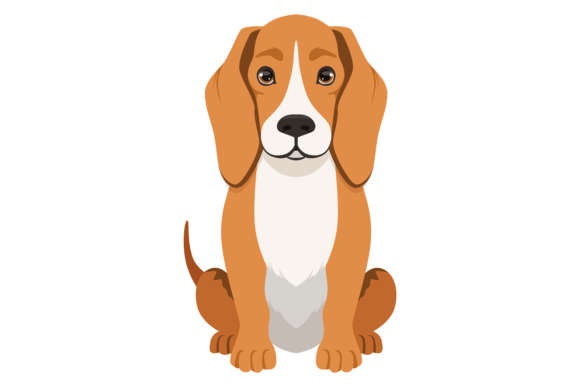
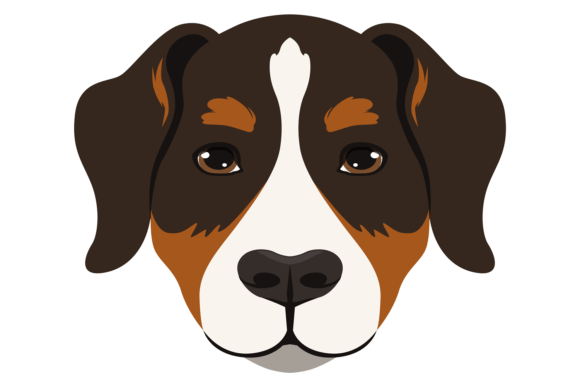
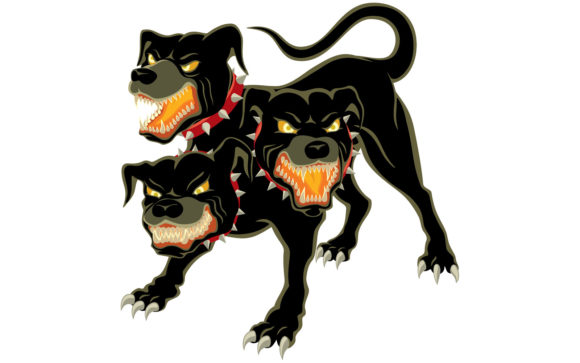
When I opened Cerberus on White, my first thought wasn’t “cool dog”—it was “this is going to hold up.” The three-headed guardian of the underworld lands with quiet authority: clean outlines, no gradients or transparency, and a strong silhouette that reads instantly—even at small sizes. It’s not cartoonish, not overly ornate, and definitely not generic. There’s weight here, intention, and a subtle balance between menace and dignity. As an embroidery designer who’s stitched everything from nursery motifs to boutique apparel logos, I immediately saw where this would shine: on a heavyweight cotton tote, a charcoal sweatshirt cuff, or even a minimalist baby onesie (yes—mythology has its place in modern parenting).
A Real Project Test: Embroidering Cerberus on a Linen Kitchen Towel
Last week, I prepped Cerberus on White for a custom order—a set of embroidered kitchen towels for a local artisanal bakery’s holiday gift bundle. Linen’s texture can swallow detail, and tight weave + low thread count means stitch clarity is make-or-break. I digitized the vector files (AI and EPS worked flawlessly in my software) with medium-density fill stitches for the heads and crisp satin borders for definition. No surprises—the design translated cleanly. The lack of gradients meant no muddy transitions; the solid white background gave me full control over fabric contrast. Customers loved the juxtaposition: ancient myth meets everyday utility. One buyer even messaged saying, “It feels like heirloom quality—not just another kitchen towel.” That’s the kind of resonance Cerberus on White delivers when used intentionally.
Where It Shines—and Where to Pause
Cerberus on White excels in projects that benefit from symbolic strength and visual simplicity:
- Custom apparel: Works beautifully on crewneck sweatshirts, unisex tees, and structured caps—especially when placed on the left chest or back yoke.
- Embroidered patches: Its bold shape and defined edges make it ideal for sew-on or iron-on patches on denim jackets or backpacks.
- Baby and nursery items: Surprisingly versatile—stitched in soft pastel threads on organic cotton swaddles or muslin pillow covers, it adds quiet storytelling without overwhelming.
- Holiday and gift embroidery: Think monogrammed ornaments, velvet pouches, or linen tea towels for Yule or Samhain-themed markets.
- Boutique branding: Perfect as a subtle logo alternative for craft businesses leaning into mythology, folklore, or handmade mystique.
But let’s be real—Cerberus on White isn’t magic. Use caution on:
- Thin or stretchy fabrics (like jersey or lightweight rayon) without proper cutaway stabilizer—those sharp head contours need support.
- Curved surfaces like curved cap fronts—test hoop placement carefully; the central head may distort if not centered precisely.
- Dark fabrics unless you’re using high-contrast thread (e.g., bright white or metallic silver). On black or navy, avoid light gray threads—they’ll fade visually.
- Small hoop sizes under 4”—the three heads need breathing room. Don’t force it into a 3x3” space unless you’re willing to simplify manually.
- Frequently washed items like kids’ socks or dishcloths—stitch density matters. Reinforce with a light tear-away backing and avoid ultra-fine details in high-wear zones.
Design Integrity Meets Customer Trust
As an Etsy seller and small shop owner myself, I know buyers scan for authenticity—not just in materials, but in *intent*. Cerberus on White reads as intentional. It doesn’t shout. It anchors. When stitched on a handmade apron for a tattoo artist’s studio, it signaled craftsmanship before the first stitch was seen. When used in a printable mockup for a client pitch, it elevated the whole presentation—no stock-art energy, no visual noise. That translates directly to perceived value, repeat orders, and word-of-mouth referrals. People don’t buy a dog logo; they buy a story they recognize, reinterpret, and wear with confidence.
Practical Notes Every Embroidery Designer Should Check
Before stitching Cerberus on White into your next project, do these five things:
- Test on scrap fabric first—especially if using textured linen, terry cloth, or fleece.
- Review stitch density in your embroidery software. Too dense? It’ll pucker. Too sparse? Heads lose definition.
- Confirm hoop size compatibility—measure the widest point of the design and add ¼” buffer.
- Inspect small details like ear tips and muzzle lines—vector fidelity doesn’t guarantee stitch fidelity. Adjust underlay if needed.
- Check licensing before selling finished products or digital embroidery files. This is an Illustrations asset, not a royalty-free clipart pack—know what’s permitted.
Final Thought: Not Just a Graphic—A Design Decision
Cerberus on White isn’t filler. It’s a deliberate choice—one that says something about your brand, your craft, and your respect for narrative depth in handmade work. Whether you’re a solo embroiderer building a craft business, a boutique owner curating meaningful merchandise, or a creative entrepreneur sourcing standout Graphics for digital product bundles, this design earns its place. It’s adaptable without being anonymous, symbolic without being obscure, and clean without being cold. In a market flooded with quick-turnaround embroidery files, Cerberus on White is the kind of piece you keep in your core kit—not because it’s trendy, but because it *works*, season after season, stitch after stitch.