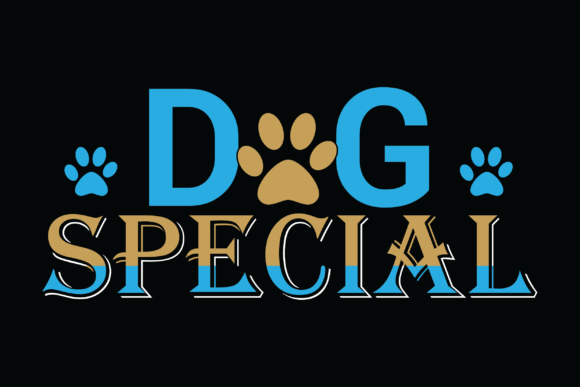
Dog Special: A Designer’s Real-World Embroidery Review
As someone who’s stitched hundreds of custom pieces—from boutique baby onesies to holiday aprons for local makers—I opened the Dog Special files with quiet curiosity, not hype. This isn’t just another cute dog graphic. It’s a design that needs to hold up on a textured tote bag, read clearly on a baby sweatshirt, and still feel intentional when stitched in monochrome thread on a dark kitchen towel. So I tested it—not in theory, but in practice—across three real projects: a linen tea towel for a small shop launch, a cotton-poly blend unisex sweatshirt for an Etsy listing, and a felt-backed embroidered patch for a craft fair pop-up.
First Impression: Friendly, Focused, and Fabric-Ready
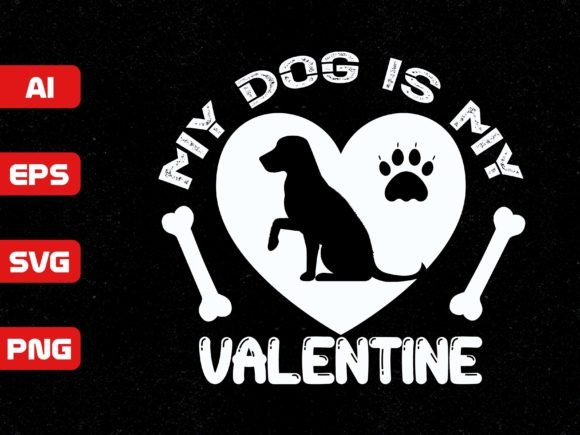
Dog Special lands with warmth—not cutesy, not overly detailed, but confidently simple. The silhouette balances positive and negative space beautifully. There’s no tiny nose detail that’ll vanish in fill stitch, no thin legs that’ll break apart under satin stitch tension. It reads at 3.5 inches wide, which means it scales cleanly from a 4-inch hoop (ideal for caps or baby items) all the way up to 6 inches for pillow covers or oversized tote bags. The shape has gentle curves and open areas—exactly what you want for breathable embroidery on lightweight fabrics like jersey or gauzy cotton.
Where It Shines—and Where It Asks for Thought
On a medium-weight cotton tote? Perfect. The design anchors the fabric without overwhelming it. On a brushed fleece sweatshirt? It holds crispness because the outlines are clean and the interior fill is moderate—not so dense that it stiffens the garment. I ran it on a 5×7 hoop with tear-away + light cut-away stabilizer, and the result was soft, dimensional, and shop-ready.
For baby embroidery? Yes—but choose your fabric carefully. On interlock knit, I added a layer of iron-on mesh stabilizer behind the hoop to prevent puckering around the ears and tail. The design’s rounded corners and smooth contours made it forgiving, unlike some “dog” designs with spiky muzzles or fine whiskers that snag or distort on stretchy substrates.
For caps or curved surfaces? Proceed with caution. The lower curve of the body works well on a front-panel cap, but avoid placing the full design across the crown—it’s too wide for standard cap hoops without significant resizing. If you’re making embroidered patches, Dog Special is ideal: the clean edges stabilize easily, and the balanced proportions mean it won’t warp during heat-sealing or iron-on application.
What You’ll Notice After Stitching
Customers respond to clarity—and Dog Special delivers it. On a light-colored kitchen towel, the black thread version looked sharp and handmade, not digital. On a navy sweatshirt in ecru thread? Still legible, warm, and inviting. That’s rare. Many graphics lose personality when simplified for stitch, but this one keeps its charm. It doesn’t scream “graphic”—it whispers “crafted.” That subtle distinction builds trust: buyers see intention, not automation.
For Etsy sellers and small shop owners, that matters. A design like Dog Special supports brand consistency without demanding a signature color palette. Swap thread colors to match seasonal collections—mustard for fall, sage for spring—and the core identity stays intact. And because it’s delivered as both vector (EPS, AI) and raster (PNG 300 dpi), you can use it beyond embroidery: for printable mockups, digital product previews, or even screen-printed versions if your shop expands.
Real Design Notes You’ll Want Before Your First Hoop
- Test first—always. Run it on scrap fabric matching your final project’s weight and stretch. Watch how the ears and tail settle; those are your stress points.
- Stabilizer choice is non-negotiable. Light to medium cut-away for knits, tear-away for stable wovens, and fusible mesh for delicate linens or baby items.
- Check stitch density visually. Zoom into the PNG preview—if you see overlapping fills or tight clusters in the belly or chest area, reduce density slightly in your software before stitching.
- Thread color contrast makes or breaks it. On dark fabric, avoid pastel threads unless you’re adding a white underlay. On light fabric, deep charcoal or navy reads more richly than pure black.
- Hoop size matters for placement. At full scale, it fits comfortably in a 5×7 hoop—but if you’re using a 4×4 for baby items, resize proportionally and recheck corner integrity.
- Review licensing before selling. Since Dog Special is categorized as Graphics and T-Shirt Designs, confirm whether commercial use is included—especially if you plan to sell finished embroidered products or resell digital files.
Final Thought: It’s Not Just a Dog—It’s a Design Decision
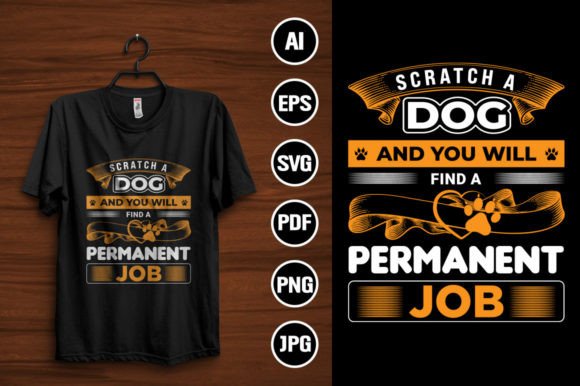
Dog Special doesn’t try to be everything. It doesn’t cram in paw prints, bones, or banners. It’s confident in its simplicity—which is exactly why it works so well across personalized gifts, small business merchandise, and handmade products. It stitches cleanly, photographs well, and feels human-made, not mass-produced. For embroidery designers building a reliable library of design assets, for crafters choosing their next best-seller, and for Etsy sellers curating a cohesive collection—this is the kind of machine embroidery design that earns repeat orders, not one-offs.
If you’re evaluating it for your next project—whether it’s a holiday embroidery run, a boutique branding kit, or your first batch of embroidered patches—trust your eye, test your fabric, and let the clean lines do the talking. Because in the end, the strongest designs don’t shout. They settle in, stitch by steady stitch, and feel like they belong.