Dog and Puppy Floating Heads, Line Art
First Impressions: Minimalist Charm with Quiet Personality
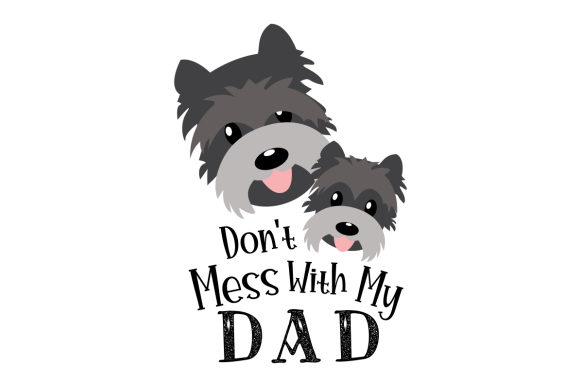
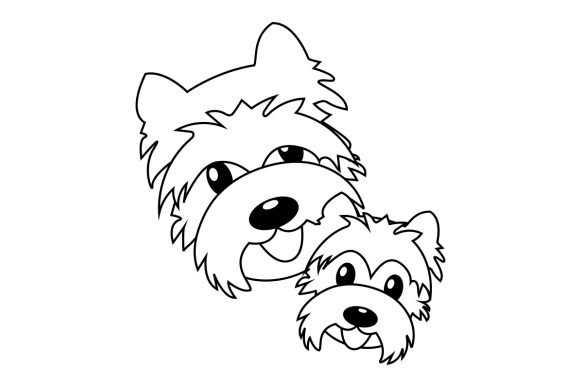
Opening Dog and Puppy Floating Heads, Line Art feels like flipping to a quiet page in a well-loved sketchbook — clean, confident, and intentionally uncluttered. The line art style isn’t just decorative; it’s functional. Two gently overlapping profiles — one larger, one smaller — float without anchors or backgrounds, giving subtle visual hierarchy while keeping the composition light and balanced. There’s no heavy fill stitch temptation here, no dense satin borders begging for stabilizer overkill. Instead, you’re handed a design that leans into negative space, breathing room, and expressive simplicity. That makes it ideal for projects where subtlety matters: baby onesies, linen tea towels, minimalist tote bags, or nursery wall hangings stitched onto cotton canvas.
A Real Project Test: Embroidering a Personalized Linen Tote for a Dog Lover’s Boutique
I recently prepped Dog and Puppy Floating Heads, Line Art for a small-batch embroidered tote bag order — natural linen, medium-weight, destined for a local dog-themed boutique. No applique, no background fill, just clean running stitch outlines and minimal interior detail. On screen, the SVG and transparent PNG scaled beautifully. In practice? It stitched cleanly at 3.5" wide on a 4" hoop using medium tear-away stabilizer. The lines held crispness even across the fabric’s slight texture, and the puppy’s tiny ear curve stayed legible without thread piling or skipped stitches. Customers responded strongly to the gentle contrast between adult and pup — not cutesy, not clinical, just quietly affectionate. That emotional resonance is hard to fake. It elevated the tote from “nice” to “meaningful,” especially when paired with hand-stamped care instructions and a recycled cotton dust bag.
Where This Design Shines (and Where It Asks for Thought)
Dog and Puppy Floating Heads, Line Art thrives in contexts where restraint reads as intention:
- Custom apparel: Works beautifully on crewneck sweatshirts (especially charcoal or oat), lightweight tees, and structured caps — but avoid curved bill embroidery unless you test first; fine lines can distort slightly on tight radii.
- Baby embroidery: Ideal for organic cotton onesies or burp cloths — low stitch density means less stiffness, softer wear, and easier washing. Just confirm your thread colors won’t bleed on light fabrics.
- Embroidered patch: Clean edges translate well to merrowed or heat-seal backing. The floating layout gives flexibility for irregular patch shapes.
- Holiday embroidery & personalized gifts: Pair with neutral thread (heather gray, soft black, oat) for timeless appeal — perfect for Christmas stockings, Easter baskets, or adoption-day keepsakes.
- Digital product previews: The included EPS and DXF files render crisply in mockup tools, making Dog and Puppy Floating Heads, Line Art strong for Etsy listings or craft fair digital lookbooks.
Use With Care: Practical Embroidery Designer Notes
This isn’t a plug-and-stitch file — it’s a thoughtful tool that rewards attention. Here’s what I check every time:
- Test on scrap fabric first — especially with textured weaves or stretchy knits. Linen and terry cloth behave very differently under needle tension.
- Confirm hoop size and stitch path — the design fits comfortably in a 4" hoop, but if you’re scaling down for a cap front or tiny pillow tag, verify interior curves don’t collapse below 0.8mm line weight.
- Review thread color contrast — this line art relies entirely on silhouette clarity. Avoid near-matching thread/fabric combos (e.g., light gray thread on heather gray sweatshirt).
- Stabilizer choice matters more than usual — lightweight cutaway helps on knits; medium tear-away works well on stable wovens. Skip basic tear-away on thin cotton — it’ll shift.
- Check licensing before commercial use — since this is a digital embroidery file sold for Crafts, confirm whether resale of finished embroidered items or redistribution of the file itself is permitted. When in doubt, reach out to the creator.
- Mock it up in black and white — line art loses nuance in grayscale. If it reads clearly there, it’ll hold up across fabric types and lighting conditions.
Why It Builds Trust — Not Just Stitches
Customers don’t buy embroidery files. They buy confidence — that the final product will feel intentional, well-made, and emotionally resonant. Dog and Puppy Floating Heads, Line Art supports that trust because it doesn’t overpromise. There’s no hidden fill stitch bulk, no fragile micro-details that vanish after three washes, no forced symmetry that feels sterile. Its quiet balance says: “I understand dogs. I understand people who love them. I understand handmade.” That shows up in how your Etsy listing photographs, how your boutique customer holds the item, how your repeat client asks for “more like that one with the little head beside the big one.”
Final Thought: A Design That Serves the Project, Not the Other Way Around
As a designer who’s stitched hundreds of dog-themed pieces — from intricate breed portraits to playful cartoon pups — I keep returning to simple line art like Dog and Puppy Floating Heads, Line Art when authenticity matters most. It doesn’t shout. It observes. It invites connection instead of demanding attention. Whether you’re building a craft business, launching a holiday collection, or embroidering a single heartfelt gift, this design doesn’t distract from your voice — it amplifies it. Just remember: respect its simplicity. Test it. Choose your thread and stabilizer deliberately. Let the dogs — and the love behind them — speak for themselves.