No Pet Allowed Sign
First Impression: A Clear, Bold Statement
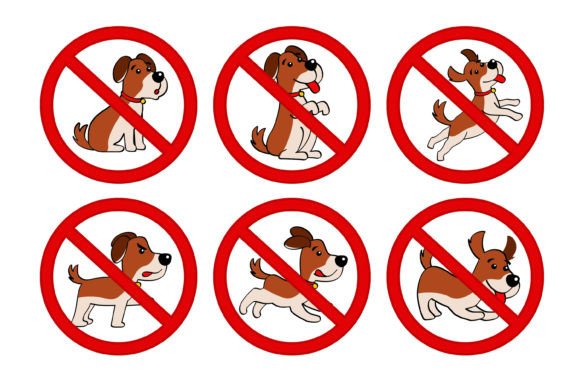
The No Pet Allowed Sign makes a strong visual impact right away. Its clean, straightforward design conveys a clear message without unnecessary embellishment. The text is bold and legible, with a minimalistic layout that feels intentional. As an embroidery designer, I immediately notice the balance between simplicity and clarity—key traits for a sign that needs to be understood at a glance.
Design Layout and Visual Personality
The layout of the No Pet Allowed Sign is centered and symmetrical, which gives it a professional and trustworthy feel. The use of negative space around the text adds to its readability and ensures it doesn’t feel cluttered. This kind of design works well in both digital and physical formats, making it versatile for a variety of applications.
The font choice is modern yet approachable, fitting for a range of products from custom apparel to handmade signs. It’s not overly stylized, which means it can adapt to different fabric textures and color schemes without losing its identity. This flexibility is a big plus for designers looking to repurpose the design across multiple projects.
Real-Life Use Case: Custom Embroidered Tote Bag
Imagine you're preparing a custom embroidered tote bag for a local boutique. The No Pet Allowed Sign would work well as a subtle yet effective design element. Placed on the front or back, it adds a touch of humor or personality to the product. However, it's important to consider how the design will look after stitching.
On a light-colored fabric, the contrast is sharp and eye-catching. But on darker fabrics, the design may lose some of its vibrancy. Testing the design on scrap fabric before final production is always a good idea. Also, checking the thread color against the fabric background can help ensure the final product looks as intended.
Embroidery Performance Across Products
The No Pet Allowed Sign performs well in most embroidery scenarios, but there are a few considerations. For instance, when using small hoop sizes, the design might appear cramped or too detailed. It's best suited for medium to large hoops where the text and graphics have enough space to breathe.
On textured or stretchy fabrics, the design holds up reasonably well, though some minor distortion may occur. Darker fabrics require careful attention to thread color selection to maintain visibility. For products like caps or hats, the curved surface can pose challenges, especially with the corners of the sign. Using proper stabilizer is essential to keep the design flat and even.
If you're working with baby clothes or delicate materials, the design's detail level is appropriate. It’s not overly intricate, so it won't overwhelm the fabric or cause issues with stitch density. However, dense stitch areas should be tested for durability, especially if the product will be washed frequently.
Design Impact on Product Value and Trust
The No Pet Allowed Sign has a clear visual appeal that enhances the overall look of a finished product. It adds a sense of professionalism and thoughtfulness, which can increase customer trust. When used in a handmade product, it reinforces the authenticity of the craft.
For Etsy sellers or small shop owners, this design offers a great opportunity to create personalized gifts or branded merchandise. It fits well into categories like holiday embroidery, custom apparel, and boutique branding. The design’s simplicity also makes it easy to incorporate into printable mockups and digital previews, helping to attract buyers before production begins.
Practical Design Notes for Embroidery Professionals
As an experienced designer, I recommend a few key steps before using the No Pet Allowed Sign in your projects:
- Test on Scrap Fabric: Always test the design on scrap fabric first to see how it looks and behaves under real stitching conditions.
- Check Thread Color Contrast: Ensure the thread colors provide enough contrast against the fabric background for optimal visibility.
- Review Stitch Density: Make sure the stitch density is appropriate for the fabric type and project size.
- Confirm Hoop Size: Choose a hoop size that allows the design to fit comfortably without being stretched or compressed.
- Inspect Small Details: Pay close attention to the corners and lettering, especially if the design will be used on smaller items.
- Test in Black and White Mockups: This helps identify any potential issues with contrast or clarity before committing to a final print.
- Use Proper Stabilizer: Select the right stabilizer to prevent puckering and ensure even stitching.
- Confirm Licensing: If you plan to sell the design as a digital product, make sure you have the correct licensing rights.
Final Thoughts: A Versatile and Reliable Design
The No Pet Allowed Sign is a reliable and versatile design that can be used in a wide range of embroidery projects. Whether you're creating custom apparel, personalized gifts, or boutique merchandise, this design offers a clear, professional look that resonates with customers. With a bit of care and attention to detail, it can become a valuable asset in your design toolkit.