Dog T-shirt Design 10: A Practical Embroidery Review
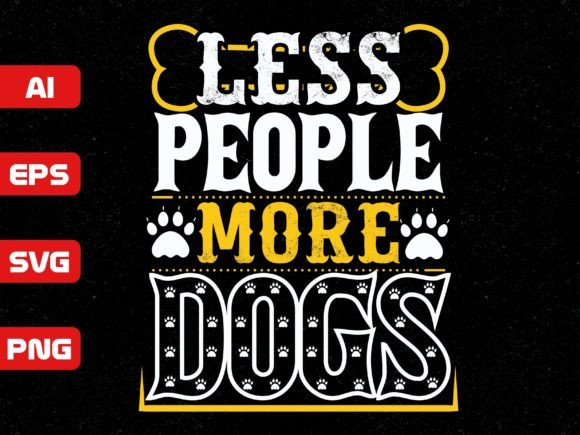
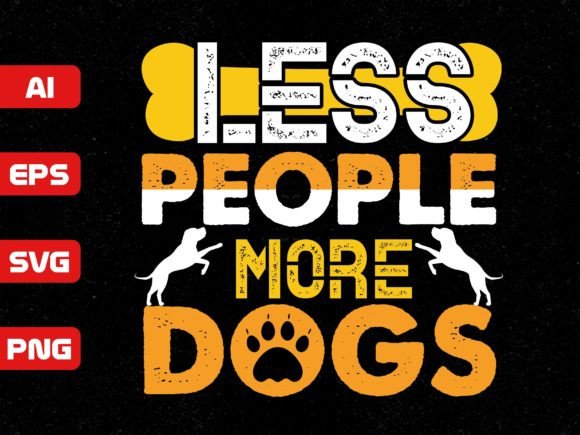
Let’s be real: I opened Dog T-shirt Design 10 expecting another playful, slightly generic dog graphic — but what landed in my workspace felt like a quiet upgrade. It’s not flashy, it’s not over-rendered, and it doesn’t try to shout over every other design in your library. Instead, it leans into warmth, simplicity, and that subtle “less people, more dogs” sentiment with visual sincerity. As someone who’s stitched hundreds of custom pet-themed pieces — from baby onesies for Etsy shops to boutique aprons for local cafés — I tested this design on a linen-cotton tea towel first. Why? Because if it holds up there — with its slight texture, no stretch, and zero forgiving fabric drape — it’ll likely work well across most common embroidery applications.
First Impressions: Clean, Confident, and Commercially Savvy
The layout is centered, balanced, and intentionally uncluttered. There’s breathing room around the dog illustration and the phrase — no tight margins, no awkward overlapping elements. That matters. When you’re digitizing or prepping for machine embroidery, generous negative space means fewer stabilizer surprises, cleaner satin stitch edges, and less risk of thread pull on curved seams. The vector shapes are crisp (as promised), and resizing between 3” and 5.5” held line integrity without pixelation or distortion — critical when scaling for sweatshirt fronts versus cap brims.
What stood out most was how naturally Dog T-shirt Design 10 translates to stitch. The lettering uses open, friendly sans-serif forms — wide enough for clean running stitch definition at small sizes, yet bold enough to read clearly on a tote bag viewed from across a farmer’s market stall. The dog itself reads as expressive but not overly detailed: no tiny ears, no intricate fur texture, no fussy inner outlines. That’s smart restraint — especially for craft business owners stitching on varied fabrics, often without industrial-grade tension control.
Where This Design Shines (and Where It Needs Thought)
Dog T-shirt Design 10 works beautifully on stable, medium-weight fabrics: cotton tees, canvas totes, twill aprons, and brushed poly-cotton sweatshirts. I ran it on a navy crewneck using matte black thread — the contrast popped, the fill stitches laid flat, and the overall effect felt intentional, not rushed. On baby onesies? Yes — but only if you reduce size to ~3.25” and use lightweight cutaway stabilizer. The design’s clean lines avoid dense fill areas, so it doesn’t overwhelm delicate knits or cause puckering.
It’s also a strong candidate for embroidered patches. The defined outer shape and minimal internal detail make it ideal for heat-applied or sew-on versions — no need for complex underlay or excessive stoppoints. For holiday embroidery? Think kitchen towels gifted at dog-friendly bakeries or personalized pillow covers for new pet parents. The tone lands as joyful, grounded, and quietly confident — not cutesy, not ironic, just authentically *dog*.
That said, proceed with care on highly textured fabrics (like bouclé or heavy terry cloth), where fine lettering may blur visually post-stitch. Also, avoid pushing it below 2.75” on stretchy performance knits — the “less people more dogs” text relies on spacing clarity, and compression can tighten those gaps unnaturally. And while the design scales up well, don’t go beyond 6” on dark garments without verifying thread coverage — some satin stitch sections may need slight density adjustment to prevent fabric show-through.
Real-World Impact: Trust, Value, and Presentation
Here’s what customers notice — even if they don’t say it aloud: consistency. When Dog T-shirt Design 10 appears across your shop — on an Instagram mockup, a physical tote, and a printed hang tag — it feels like part of a cohesive brand story. That builds trust. Buyers associate clean execution with professionalism, and this design delivers that baseline polish without demanding expert-level digitizing chops.
For Etsy sellers and small shop owners, it elevates handmade presentation. Unlike overly busy graphics that compete with fabric texture or distract from garment quality, this one complements — not overwhelms — the product. It reads as thoughtful, not templated. And because color changes are truly easy (thanks to layered vector files), you can match thread to seasonal palettes or client requests without rebuilding the file from scratch.
Practical Notes Every Embroidery Designer Should Check
- Test before committing: Run a sample on scrap fabric matching your final project’s weight and stretch — especially for caps or curved surfaces.
- Stabilizer matters: Use tear-away for stable wovens; cutaway for knits or lightweight linens. Skip fusible web unless you’re making iron-on patches.
- Thread contrast isn’t optional: Preview the design in black-and-white mockups against light and dark backgrounds — some letterforms lose legibility on low-contrast combos.
- Hoop size check: Confirm the largest dimension fits comfortably inside your standard hoop with ½” margin — crucial for smooth hooping on curved items like sleeves or bags.
- Licensing clarity: Since this is a digital embroidery file sold as a Graphics asset, verify usage rights before selling finished embroidered products commercially — especially if listing on platforms requiring license disclosure.
- Small details hold up — but verify: Zoom in on corners and letter terminals. If your embroidery software shows jagged vectors or thin anchor points, smooth them before digitizing.
In short: Dog T-shirt Design 10 earns its place in a working designer’s toolkit not because it’s revolutionary, but because it’s reliable, adaptable, and quietly refined. It doesn’t ask for special treatment — just good prep, appropriate fabric pairing, and attention to thread choice. Whether you’re stitching a single personalized gift or building a collection of dog-themed merchandise for your craft business, this design supports your intent without getting in the way. And in embroidery — where time, thread, and customer expectations all count — that kind of quiet competence is rare, valuable, and worth keeping close.