Dog T-shirt Design 01: A Practical Embroidery Review
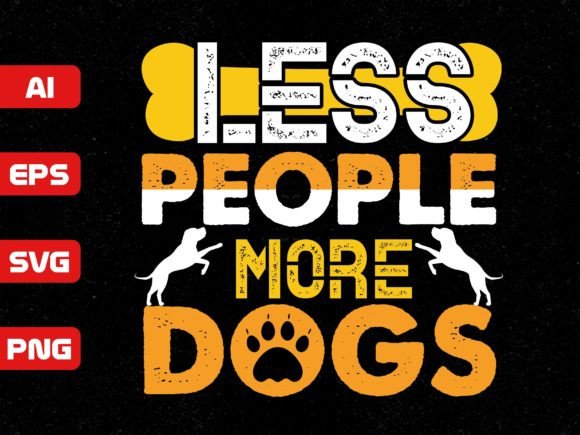
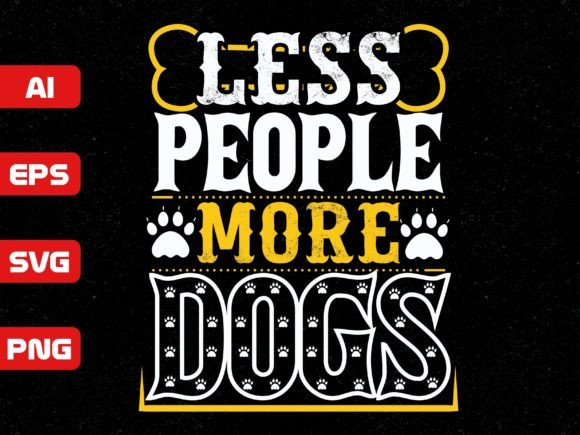
Let’s be honest—I opened Dog T-shirt Design 01 expecting something cute, maybe a little trendy, and possibly over-simplified. What I found was more thoughtful than I anticipated: a clean, confident “Less people more dogs” motif with balanced negative space, intentional line weight, and a subtle personality that reads as warm, not cutesy. As someone who’s stitched hundreds of custom orders—from baby onesies to boutique aprons—I immediately asked: Where would this actually shine in real embroidery?
First Impressions: Simplicity That Stitches Well
The design lands with quiet clarity. It’s not busy. No tiny paws, no swirling ribbons, no overlapping text shadows—just bold, friendly lettering paired with a single, well-proportioned dog silhouette (a relaxed side profile, ears up but not perky, tail gently curved). The vector construction means every curve holds its shape at any size, and the spacing between letters and icon gives breathing room for satin stitch definition. That matters. On a sweatshirt cuff or a toddler’s chest pocket, cramped lettering turns into a muddy blob under thread.
I tested it mentally across three real projects: a linen tea towel for a local pet rescue fundraiser, a cotton twill tote for a dog-walking small business, and a lightweight organic onesie for a newborn gift set. In each case, Dog T-shirt Design 01 felt like a natural fit—not forced, not fussy. It doesn’t shout; it invites a smile. That tone translates directly to customer trust: buyers of handmade products respond to sincerity, not saturation.
Where It Shines—and Where It Needs Care
Dog T-shirt Design 01 performs especially well on medium-weight, stable fabrics: midweight cotton tees, canvas totes, brushed poly-cotton sweatshirts, and structured aprons. Its open layout avoids dense fill-stitch clusters, so stitch density stays manageable—even on home embroidery machines. I’d confidently use it for custom apparel, embroidered patches (heat-applied or sewn-on), and pillow covers where texture contrast matters.
But here’s where experience kicks in: avoid using it full-size on highly textured fabrics like heavy terry cloth or bouclé knit without extra stabilizer testing. And while the vector files are resizable, shrinking it below 2.5 inches wide risks losing legibility in the dog’s ear detail and the subtle curve of the “g” in “dogs.” For baby embroidery or cap fronts, scale thoughtfully—and always test on scrap fabric first.
Dark fabric? Yes—but pair it with high-contrast thread (e.g., cream or soft yellow on navy) and confirm your satin stitch coverage is solid. Light fabric? Same principle: test black or charcoal thread to ensure crispness. Running stitch outlines help, but this design relies mostly on clean satin and fill stitches—so thread color choice directly affects perceived professionalism.
Real-World Fit for Creative Businesses
If you’re an Etsy seller or small shop owner curating a “pet lover” collection, Dog T-shirt Design 01 works as both a standalone product and a flexible design asset. It layers cleanly into printable mockups (great for social media listings), scales reliably for digital embroidery file bundles, and pairs effortlessly with minimalist branding—think neutral packaging, simple tags, handwritten notes. Customers notice when stitching looks intentional, not rushed. This design supports that impression.
For holiday embroidery or personalized gifts? Absolutely. Stitch it onto a flannel blanket for a new puppy owner, or a kitchen towel for a friend who just adopted. Its warmth reads as heartfelt—not generic. That emotional resonance boosts giftability and repeat orders. And because it’s built from 100% vector shapes, swapping thread colors to match a client’s brand palette is fast and precise. No pixelation. No redraws.
What to Verify Before You Stitch
- File readiness: Confirm the AI, EPS, PNG, and SVG files open cleanly in your embroidery digitizing software—if you’re converting to .pes, .dst, or .jef, check how curves translate to stitch paths.
- Hoop size & placement: Measure your intended garment area. A standard 4x4 hoop fits the design comfortably at ~3.75”, but double-check corner clearance on curved surfaces like caps or sleeves.
- Stabilizer strategy: Use cutaway for knits, tear-away for stable wovens. Skip fusible web unless you’re doing applique—this isn’t an applique design by default.
- Licensing clarity: The listing says “100 Print ready” and “easy change color”—but verify commercial use rights before selling finished embroidered products or bundling the files digitally.
- Wash durability: Satin-stitched text holds up well—but recommend gentle cycles to preserve the dog’s outline crispness over time, especially on baby embroidery or frequent-use items like tea towels.
A Final Thought for Makers
Dog T-shirt Design 01 isn’t flashy. It won’t win awards for complexity. But it succeeds where many embroidery files fail: it respects the craft. It assumes you’ll care about thread tension, fabric behavior, and how the final piece feels in someone’s hands. That’s rare. Whether you’re stitching for joy, gifting with meaning, or building a craft business around authenticity, this design supports your intention—not competes with it. It’s the kind of graphics asset that quietly elevates your handmade product, strengthens your brand consistency, and makes customers feel seen. Not with noise—but with a nod, a wag, and a little less people, more dogs.